


Licensed & Certified Inspectors | Fast Turnaround Reports | Local Expertise, North Jersey Roots | 5-Star Testimonials
At North Jersey Environmental, we specialize in lead testing and Lead-Safe Certification for residential and commercial properties across Bergen County, Essex County, Hudson County, Warren County, Sussex County, Passaic County, Morris County, Union County, and Middlesex County, NJ.
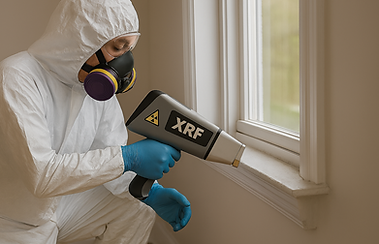
Exposure to lead—especially in homes built before 1978—poses serious health risks. Our certified inspectors use state-of-the-art XRF technology, dust wipe sampling, and risk assessments to identify hazards in paint, dust, soil, and water.
Why Lead Testing Matters
Lead exposure can cause neurological damage, developmental delays, and long-term health issues, particularly for children and pregnant women. Testing ensures your property is safe and compliant with New Jersey’s Lead-Safe Certification Law.
Our Lead Testing Services
Lead Dust Wipe Sampling – HUD-compliant testing in bedrooms, play areas, and high-risk zones.
Lead Risk Assessment – Detailed lab analysis of paint, soil, dust, and water.
Lead Inspection (XRF Analysis) – Surface-by-surface investigation to detect lead-based paint.
Compliance Guidance – Assistance with NJ Lead-Safe Certification requirements.
Why Choose North Jersey Environmental?
-
EPA-compliant and IICRC-certified inspectors
-
Fast turnaround with detailed lab reports
-
Transparent pricing and no upsells
-
Local expertise with ZIP-targeted service
-
Discreet, professional service for sensitive environments
Book Your Lead Inspection Today: (866) 468-6653 or click below to schedule an appointment.
Frequently Asked Questions
What is lead testing and why is it required in New Jersey?
Which New Jersey properties require a Lead Safe Certification?
How often do NJ landlords need to complete lead testing?
Who is allowed to perform lead testing in New Jersey?
What does a lead inspection include?
What happens if lead hazards are found?
Are children and pregnant women at higher risk from lead exposure?
Do I need lead testing if I’m buying or selling a home in NJ?

Don’t Guess. Test.
Independent lab results within 72 hours